
Fix Your Recessed Door: Feng Shui Made Easy
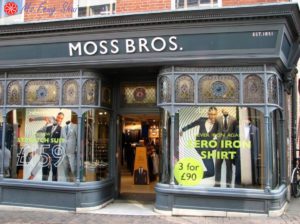
In Feng Shui, the front door of a home or office is the “mouth of chi”. It is one of the most important aspects of the building. It’s essential that this “mouth” is open and welcoming to allow for the flow of positive energy into the building. However, recessed front doors pose problems in Feng Shui and hinder the flow of chi.
A recessed front door can create a sense of invisibility. This makes it difficult for energy to enter the building. It can also make the entrance feel uninviting, which can deter potential opportunities and good luck. Any rooms even partially forward of the front door are also cut off from the Bagua map of the building. Fortunately, there are options…
2 Primary Recessed Door Cures
- Avoid Recessed Doors: When I work with home builders, I always encourage them to eliminate recessed doors. For my individual clients in the market for a home or office to buy or rent, I suggest they completely avoid properties with recessed doors.
- Move the Recessed Door: If you’re already in a home or office, however, and budget isn’t a concern, the best choice is to move the entry to the outer wall of the home or office.
Failing either of those options, there are other cures that will help, as follows:

6 Backup Recessed Door Cures
- Add Lighting: Adding lighting to a recessed front door can help to increase visibility and make the entrance more inviting. Install outdoor lighting or add a light fixture above the door.
- Add Plants: Adding plants to a recessed front door can help to create a more welcoming entrance. Add a potted plant on either side of the door. Make sure the plants do not get in the way of movement through the entry or block visibility from the street.
- Use a Concave Mirror: Placing a concave mirror near the front door can help to draw in chi energy to the entrance. A concave mirror is a particularly powerful tool in Feng Shui. Place it facing outward on the door, above the door, or on the wall next to the door to attract and amplify the energy. Mount the concave mirror higher than the tallest person who will enter.
- Paint or Change The Door: You can paint the front door in a bright color or change the door entirely to add more visibility and create a more inviting entrance. Red doors seem to work best, but may not be approved by your HOA.
- Swap Rooms: The recessed front door might have some rooms on any floor that are at least partially in front of the door. Only use these rooms for temporary guests or adult children you want to move out! Anyone you want permanently living in the house should be somewhere behind the line created by that recessed front door. At the very least, move their beds back.
- Consult a Feng Shui expert: Feng Shui experts can help to identify specific issues and provide tailored solutions to remedy them.
Next Steps
Recessed front doors can pose big problems in Feng Shui because they prevent the flow of positive energy into the building. If you follow the above tips, you’ll open your door to more positive energy and good luck. That’s only a small part of Feng Shui, however. There is so much more to learn and do to change your life for the better.
In your search for a Feng Shui expert, there are a lot of points to consider. While I would love to be the one you select, make sure you choose someone you are comfortable with.
I am a 3rd generation Feng Shui expert and have helped thousands of people add harmony and balance to their homes and offices without making it look like a Chinese restaurant exploded. Find out why I was named the Best Feng Shui Consultant and see my recent projects.
I can help you attract the life that you deserve with Feng Shui. Contact me today!
5 Feng Shui Tips for a Smooth and Enjoyable Travel Experience
Traveling can be an exciting and enriching experience, but it can also bring its fair share of stress and challenges. Ever feel like you need a vacation from your vacation? Whether you’re traveling for work or leisure, feng shui principles can help you create a smoother and more enjoyable journey. Here are five feng shui tips to keep in mind as you plan and embark on your next trip:
Travel Tips

- Pack light and declutter your luggage. According to feng shui, clutter represents stagnant energy, and carrying around too many items can weigh you down both physically and mentally. Pack only what you need and leave space for new experiences and opportunities.
- Choose a balance of yin and yang items. Yin represents passive, receptive energy, while yang represents active, outgoing energy. Bring a mix of both to help balance your energy and create a harmonious atmosphere. For example, bring a book for relaxation and downtime, but also pack your workout clothes for active adventures.
- Choose a hotel room with good feng shui. When booking a hotel, consider the location and layout of the room. A room with a good flow of energy will help you sleep better and feel more rested during your stay. Look for a room that is located on a high floor, has a good view, and is not directly next to or across from the elevator, stairwell or ice machine.
- Protect your personal energy. Traveling can be draining, so it’s important to protect your personal energy and boundaries. Consider carrying an essential oil diffuser with a scent that you love and a white noise sound machine to help ground and protect your energy. I always bring some binder clips to fully close hotel curtains for a darker sleep experience. You can also set an intention for your trip, such as “I am open to new experiences and opportunities while also taking care of myself.”
- Be present and open to new experiences. One of the best ways to enjoy your travels is to be present in the moment and open to new experiences. Let go of any preconceived notions or expectations, and allow yourself to be spontaneous and adaptable. Trust that the universe has a plan for you and allow yourself to flow with the journey.

Next Steps
By incorporating these feng shui principles into your travel planning and experience, you can create a smoother and more enjoyable trip. Bon voyage!
I am a 3rd generation feng shui expert and have helped thousands of people add harmony and balance to their homes and offices without making it look like a Chinese restaurant exploded.
I can help you attract the life that you deserve with feng shui. Contact me today!
How to Apply Feng Shui Design to Restaurants
A restaurant is more than just a place to eat; it’s an experience. The atmosphere, the layout, and the décor all play an important role in creating a memorable dining experience for customers. And by applying feng shui design principles, you can enhance the overall experience in your restaurant and attract more customers. In turn, this adds profits to the business.

What is Feng Shui?
Feng shui is a traditional Chinese practice that focuses on the balance of energy in a space. A well-designed environment improves the quality of life and brings good luck. You can apply the same principles to the design of a restaurant to create a comfortable experience for customers.
Layout is Important
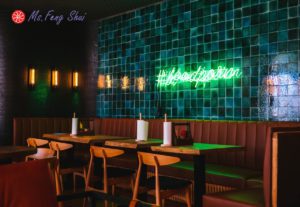
One of the most important things to consider when applying feng shui to a restaurant is the flow of energy. Create a clear path for customers to move around the restaurant and ensure that the layout of the restaurant is easy to navigate. Use natural elements such as plants, water, and wood to help to create a sense of balance and harmony.
Choose the Right Colors
Another important aspect of feng shui design for restaurants is the use of color. Certain colors have specific meanings and can bring out specific emotions. For example, use red, a passionate and exciting color, in areas like the bar to create a lively atmosphere. Use green, which gives a more soothing feeling of balance, in areas like the dining room to create a positively relaxing atmosphere.
Use Positive Symbols

Feng shui design also includes the use of symbols and imagery that can enhance the overall experience in the restaurant. For example, the use of imagery of food or cooking utensils can bring a sense of connection to the culinary experience. Similarly, the use of imagery of wine glasses or bottles can represent the enjoyment of the food and drink and the social aspect of the dining experience. These can also get customers to order more expensive food and drinks, driving higher margins for you.
Find the Right Feng Shui Consultant
These points are only a small part of the ancient art and science of Feng Shui. Remember, Feng Shui is all about creating balance and harmony in your space. If you’re going to hire a consultant to help you apply feng shui principles to your restaurant, I hope you’ll choose me. Regardless, it’s important for you to choose someone you are comfortable with.
I am a 3rd generation feng shui expert and have helped thousands of people add harmony and balance to their homes and offices without making it look like a Chinese restaurant exploded. Find out why I was voted the best feng shui consultant and see some of my recent projects. Get in touch with me about your restaurant today by filling out the following form:
Balancing Yin and Yang Energy for Harmony in Your Home
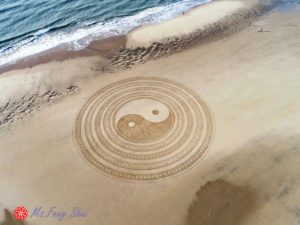
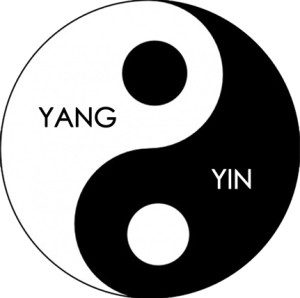
You’ve likely heard the term “yin-yang” and have probably seen the symbol for it several times. But, what is it really? In feng shui, yin and yang are about creating balance. These two opposing energies that work together and are present in everything. Their balance is key to creating both a calm and energetic environment. Like the old saying goes, “You can’t have day without the night.”
Yin Energy
Yin energy represents calm, coolness, and passivity. It is associated with the moon, the night, and feminine qualities. Spaces with yin energy are peaceful, nurturing, and restorative. Think of a cozy bedroom with soft lighting, gentle colors, and plush fabrics. Yin energy is important for areas where you plan to rest and relax, where you want to slowly recharge and be at peace.
Yang Energy
On the other hand, yang energy is active, warm, and ever-changing. It is linked to the sun, the day, and masculine attributes. Yang spaces are lively, stimulating, and exciting. Picture a bright, sunny kitchen with vibrant colors, energetic patterns, and plenty of natural light. Yang energy is important for areas where you desire activity and engagement, such as a living room, office, or a children’s playroom.
Balancing Your Home or Office
To create a balanced home or office, it’s important to integrate both yin and yang elements. Begin by identifying the primary function of each room and properly adjust the balance. For example, your bedroom should lean more towards yin to promote restful sleep, while your home office should have a stronger yang presence to enhance productivity and focus.
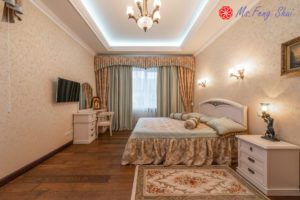
Incorporate yin elements like soft textures, muted colors, and curved lines in areas that need more calmness. Introduce yang features like bright hues, angular shapes, and lively patterns in spaces that benefit from a boost of energy. Additionally, pay attention to natural light, as it greatly influences the yin-yang balance. Use curtains, blinds, and mirrors to control and enhance the flow of light in your home.
Next Steps
Achieving harmony through the balance of yin and yang energy is an ongoing process and is only one small part of the world of feng shui. Regularly assess your spaces and make adjustments to maintain a nurturing and vibrant environment. By embracing the principles of yin and yang, you can create a home that supports your well-being and enriches your life.
I am a 3rd generation feng shui expert and have helped thousands of people add harmony and balance to their homes and offices without making it look like a Chinese restaurant exploded.
I can help you attract the life that you deserve with feng shui. Contact me today!
Feng Shui Color Guide: Boost Your Home and Life Energy with the Right Hues

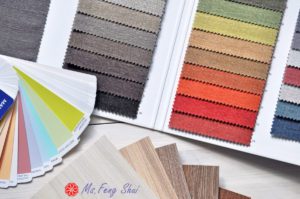
Color plays a crucial role in feng shui, the ancient Chinese art of creating balance and harmony in the home. Different colors represent different energies and can influence our emotions and overall well-being. Choosing the the best colors is important whether you are a home builder, resort hotel, or just looking to add color to your own home or office.
In feng shui, the use of color is an important tool for creating the desired energy and atmosphere in a space. I’ve gone over colors in a previous post, but wanted to dive into the individual colors a little more in-depth here.
Primary Colors
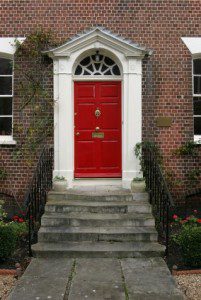
- Red: Red is a bold and powerful color that represents passion, energy, and vitality. Use red in feng shui to bring warmth and excitement to a space. Also use red to attract good luck and wealth, including for your front door. Be sure to use it in areas where you want to promote your fame & reputation. Be careful, though, because too much red can be overwhelming and create a chaotic atmosphere. It’s important to use red sparingly as an accent.
- Yellow: Yellow is a creative color. So, use yellow in artistic spaces or areas where you want to encourage new ideas. Yellow is the color for learning and can be a good choice for a study or library. However, too much yellow can be overwhelming and cause feelings of anxiety, so it’s important to use it in moderation.
- Blue: Blue is a calming and soothing color that represents tranquility and peace. It promotes relaxation and clear thinking, making it a great choice for a meditation space. Blue is the color for communication and can be a good choice for an office or study.
Secondary Colors
- Orange: Orange is a vibrant and cheerful color that brings joy and happiness. Orange promotes good digestion and healthy eating habits, making it a suitable choice for the kitchen.
- Green: Green is a calming and refreshing color that represents nature and growth. Green promotes healing and balance. It is a good choice for a bedroom or relaxation area. Because green is often the color of money, use it when you want to symbolize financial abundance.
- Purple: Purple is a color that represents royalty & luxury, features of prosperity & wealth. In feng shui, purple is a great choice for areas where you want to attract abundance. However, too much purple is overpowering, so try to use it as an accent color.
Alternative Colors
- Pink: Pink is a gentle and nurturing color that represents love, marriage, and intimacy. It is often used in feng shui to create a romantic atmosphere. Pink is a great choice for bedrooms and spaces where you want to promote intimacy.
- Black: Black is a powerful and grounding color that represents protection and career. In feng shui, use black to create a sense of depth and to anchor a space. Because it is associated with the water element, black enhances the career and life path areas. However, too much black can create a heavy or oppressive atmosphere, so it’s important to balance it with lighter colors.
- Grey: Grey is a neutral and balanced color that represents stability, calmness, and sophistication. In feng shui, use grey to create a serene and elegant atmosphere, especially to promote helpful people & travel. Grey is also associated with the metal element and can be used to enhance clarity and precision in a space. It is a versatile color that can be paired with other colors to create a harmonious environment.
- White: White is a pure and clean color that represents clarity, creativity, and new beginnings. In feng shui, use white to create a sense of openness and to promote a fresh start, so it is great to use in areas where children will spend their time. White is also associated with the metal element and can be used to enhance creativity. Because of its versatility, use white in any space to create a bright and uplifting atmosphere.
Follow the Bagua
While the energy of colors can be powerful, please make sure you align them fairly well within your space by observing the feng shui bagua. For instance, if you insert a lot of blue objects in your Fame & Reputation Area, you will figuratively douse the flames of your success.
In feng shui, the use of color is an important tool for creating the desired energy and atmosphere in a space. By understanding the energies associated with different colors, you can use them to enhance the energy and overall well-being of your home or office. Remember to use color in moderation and consider the desired energy and atmosphere when choosing colors for your space.
Next Steps
Keep in mind that color is only part of a holistic view of the feng shui energy of your space, and should be used together with the five elements, materials, the bagua, proper lighting, etc.
If you need more specific and custom guidance to improve your space and your life, I’m available to help. Learn more on my website today and book a virtual consultation. Better feng shui can help you in profound ways on life’s journey.
I am a 3rd generation feng shui expert and have helped thousands of people add harmony and balance to their homes and offices without making it look like a Chinese restaurant exploded.
I can help you attract the life that you deserve with feng shui. Contact me today!
Hollywood Reporter: Where to Put Your Oscar? Feng Shui Experts Have (Strong) Opinions
Stay away from that bathroom! Home harmony pros dish on the best and worst places to perch an award and reveal the actor-producer whose decor is tailored for success: “No wonder she’s doing so well.”
March 8, 2024 9:30am
As Hollywood legend or, rather, a recycled talk show anecdote tells us, Kate Winslet keeps her best actress Academy Award for 2008’s The Reader in a guest bathroom. This location allows visitors some private time with Oscar — a chance to hold him, gaze in the mirror, maybe mouth the acceptance speech they’ll likely never give. But her statuette’s proximity to the toilet could be the reason Winslet has yet to win a second.
Placing any symbol of career achievement or good fortune in the bathroom is generally a feng shui no-no. “I’ve certainly been in many homes with a Grammy in the bathroom,” says Kim Colwell, a Los Angeles-based interior designer and feng shui practitioner. “I get the punk rock attitude, but, from a feng shui standpoint, that’s good energy going down the literal tubes.”
Feng shui is the ancient Chinese practice that uses energy (qi) to harmonize people with their environments. Evidence of this method goes back more than 3,500 years. And while contemporary approaches vary wildly, there is one clear throughline: The arrangement of furniture and objects in one’s space, particularly the home, has a direct impact on the energy flow in that person’s life. This means that where an Oscar winner chooses to display their trophy is not merely an aesthetic decision — it could potentially sway their career toward fortune or frustration.
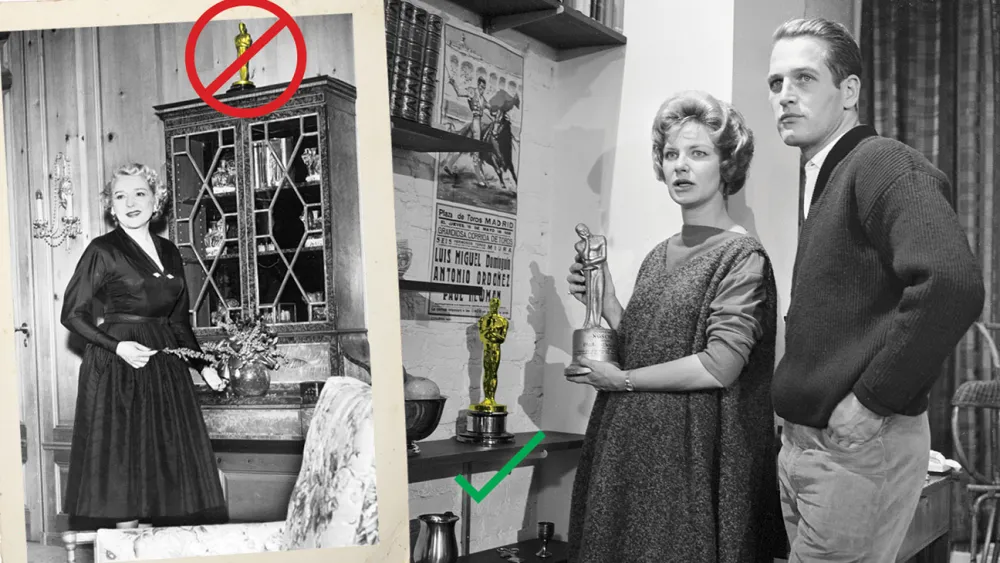
According to feng shui experts, ideal perches for any award are the office and living room, never isolated and instead surrounded by other accolades, decorative items and personal mementos. “You want to think about it as an object, its tones and scale,” says Colwell. “An Oscar is gold, so what would you do with a gold vase? Let it enhance the decor so it can be discovered and not just stand out.”
Ill-advised spots include anywhere in the primary bedroom (Melissa Leo), a place where no reference to work belongs; the kitchen (Jared Leto), where the environs tend to be chaotic; and a hallway, in which any object is likely to be ignored or otherwise disrespected. But the biggest misstep of all, and Geena Davis is guilty of this, is positioning an Oscar on that all-time classic pedestal: “There’s a lot of symbolism attached to the mantel above a fireplace,” says Cliff Tan, TikTok’s leading authority on feng shui with 2.9 million followers. The London architect, who released the book Feng Shui Modern in 2022, cautions that nothing of personal value belongs so close to a hearth: “Whether the fire is going or not, it’s burning away the award. And it’s too prominent. You’re telling others that the award is your whole life.”
Among the most important variables in feng shui is an object’s standing in the overall footprint of the home, and one of the most common methods of keeping attuned to that is by using a bagua map. It’s a grid aligned with the points of the compass and broken into nine squares that denote different aspects of one’s life — wealth, reputation and fame, love, family, health, creativity and children, knowledge, career and travel. Some practitioners overlay the bagua onto the blueprint of an entire home, the top row justified with the southern side of the building, while others employ it room by room. So, if an Oscar means “fame and reputation” for its owner, it should be situated south and centered in a home or room. If it speaks more to career, the Oscar belongs north and centered. And should it be a creative motivator, the western-most wall might make more sense.
But what if an Oscar inspires complicated feelings?
Gwyneth Paltrow, who recently joked on Instagram that she uses hers as a doorstop at her Amagansett house, years ago said that her best actress trophy for 1998’s Shakespeare in Love reminded her of a tough time, and she kept it mostly out of sight. “An award should be a symbol of empowerment, but if it’s attached to a project or a time that caused trauma, put it somewhere you don’t often go,” says Colwell, “like a guest room or even in a beautiful box. So long as you know it’s there for the day when it will hopefully have less connection to pain.”
Celebrities, Oscar winners or not, are an accidental touchstone for many feng shui aficionados. The combination of Architectural Digest spreads and social media presence means that glimpses into their homes are often quite easy to come by — and some experts don’t like what they see. “I’ll watch those videos where movie stars walk through their homes, and I’m usually just screaming … they’re so bad,” says Jessie Kim, a third-generation certified feng shui consultant and real estate investor who operates across Southern California as Ms. Feng Shui. “But not Reese Witherspoon. When I saw her home, everything made sense. The layout is brilliant. No wonder she’s doing so well.”
Witherspoon’s Oscar is said to have migrated around her various homes and rooms over the years, and experts say that works, too. Like any object, an Oscar’s relationship with the person who won it is bound to change. And, if it feels right, even a little time in the bathroom probably won’t derail any careers.
“With perfect shui, you wouldn’t even have indoor plumbing,” says Kim, noting how so much of modern living defies the original practice. “So if Kate Winslet wants to keep her Oscar in the bathroom, and it lets people have fun, I think it’s a clever way of keeping the energy in that room up — instead of sending it down the drain.”
This story first appeared in the March 6 issue of The Hollywood Reporter magazine. Click here to subscribe.